Educational institutions are moving beyond isolated AI trials towards formal policies, professional development and institution-wide strategies, according to Futuresource Consulting’s latest AI in Education report. The research found that 67 per cent of teachers now use AI tools, though usage remains concentrated in lesson planning and content creation, pointing to further opportunity for deeper integration into learning activities.
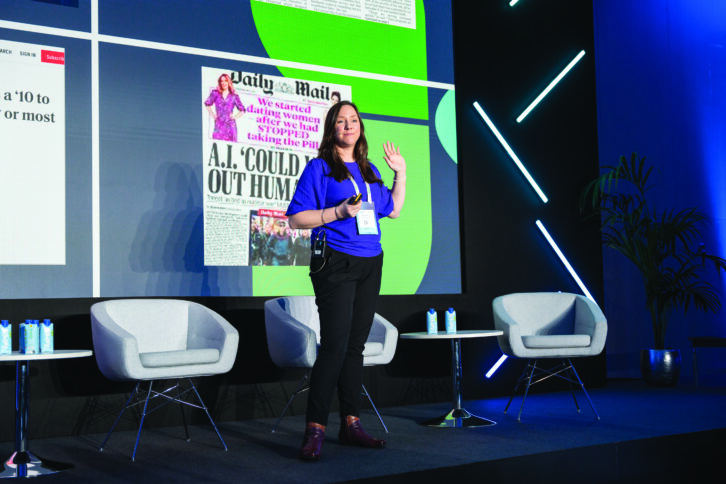
Iryna Kazanchuk, senior analyst at Futuresource Consulting, said: “AI adoption in education has reached a critical inflection point. Schools and universities are moving beyond experimentation and into structured implementation, creating significant opportunities for technology vendors, device manufacturers and service providers.”
The report identifies several trends shaping the market, including the emergence of agentic AI capable of planning and completing multi-step tasks autonomously across teaching, administration and student support, and growing interest in small language models as institutions seek secure, curriculum-specific AI environments aligned with governance requirements including the EU AI Act. AI PCs are also becoming a mainstream purchasing consideration, with AI-enabled devices expected to account for 15 per cent of institutional PC shipments in 2026, rising to approximately half of all shipments by 2030.
Higher education continues to lead adoption, with AI PC shipments in the sector projected to grow from 4.3m units in 2026 to 15m units by 2030, representing around 80 per cent of institutional PC shipments.
Kazanchuk added: “As AI becomes more deeply embedded in education, organisations need clarity on the factors that will shape future demand. From governance and regulation to AI infrastructure and device adoption, this research provides the evidence needed to make informed product, investment and go-to-market decisions.”
You can subscribe to Installation magazine for free here and the daily newsletter here.