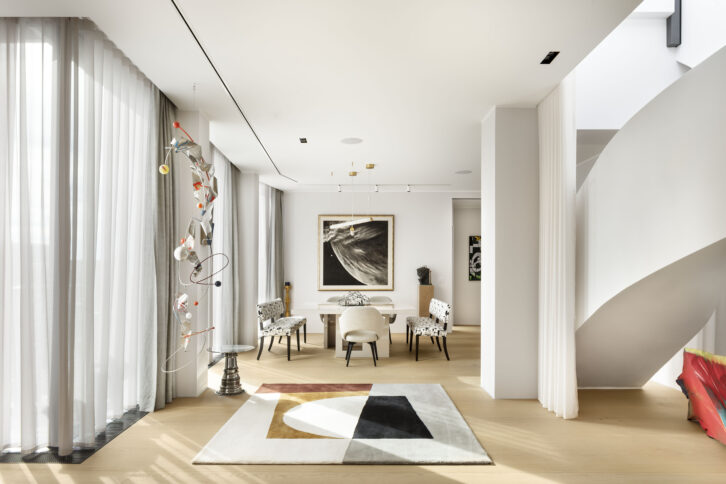
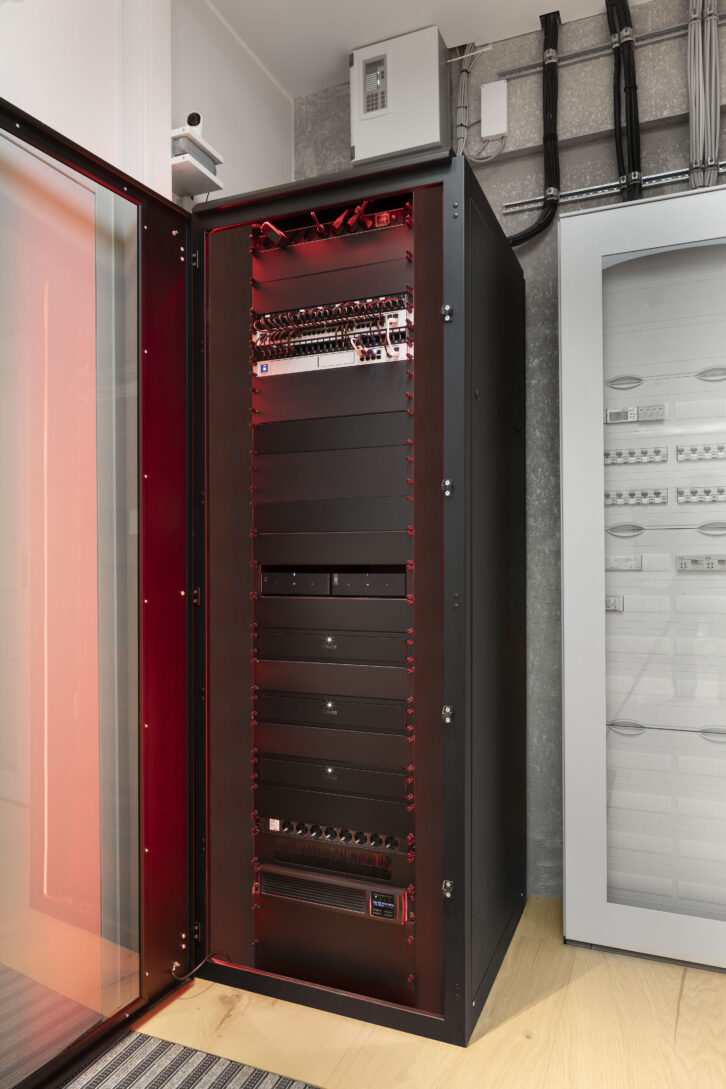
Sonos Amp Multi has been deployed to consolidate a 13-zone audio installation in a 480sqm penthouse in central Berlin, replacing 12 individual Sonos Amps with three multi-channel units. The project, delivered by smart home integrator ControLED, retains one existing Sonos Amp for an additional zone, reducing the hardware housed in the property’s central 42U equipment rack.
The original system used 13 individual amplifiers to distribute audio throughout the residence, which includes multiple balconies and a large rooftop terrace. Audio is routed centrally to a network of in-ceiling architectural loudspeakers, with the Sonos system integrated into the property’s KNX infrastructure through a Gira HomeServer.
 The integration allows audio playback to be linked to other building functions, including lighting, shading, climate control and security. For example, activating the security system when leaving the apartment automatically stops audio playback. The function is controlled alongside other smart home features through a 19in touch panel in the entrance.
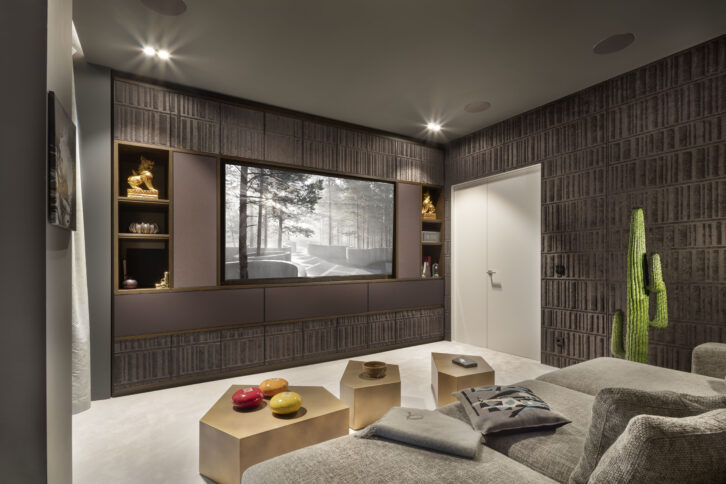
The property also has a dedicated home cinema space, where a Sonos Port connects the audio system to traditional equipment. A centralised cabling architecture supports the installation throughout the residence.
Tim Skrok, CEO of ControLED, said: “The system had grown to 13 separate amplification zones, all housed within a central rack. It worked brilliantly, but it cluttered up the space, and we saw an opportunity to make the installation cleaner, more efficient and easier to manage.”
 Skrok added: “Integration was one of the original reasons we recommended Sonos. The audio system works naturally with the rest of the smart home, making it as intuitive as possible for the homeowner to enjoy. When you leave the apartment, and you turn on the burglar alarm, the Sonos system is automatically turned off.”
The reduction in amplifier count also decreases the equipment footprint in the rack. Skrok added: “When you compare the rack before and after the upgrade, the difference is immediately obvious. We’ve been able to remove a huge amount of hardware and create a much cleaner, more professional installation, which is perfect for a project of this scale. The reduction in amplifier units also improves energy efficiency, which is especially helpful in a city environment where brownouts and large current draw can create hardware errors.”